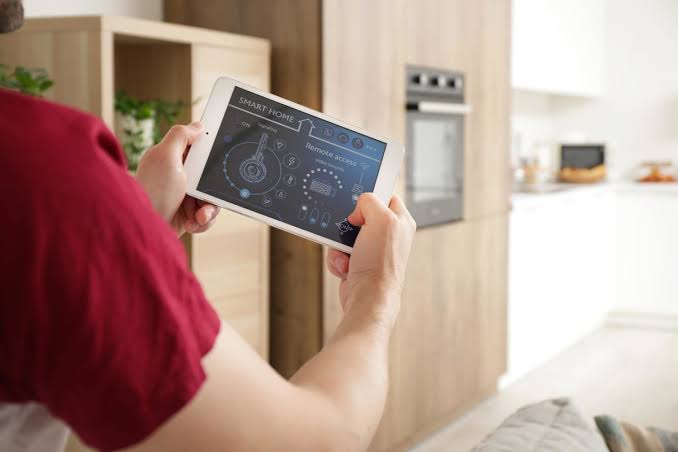
Home renovation projects are often the perfect opportunity to upgrade more than just walls, floors, and furniture. Many homeowners now consider adding smart home technology while remodeling because modern devices can improve convenience, security, energy efficiency, and overall living comfort.
However, smart home upgrades also require planning. Not every device provides the same value, and some technologies may become outdated faster than traditional home improvements. Before spending money on smart switches, automated lighting, security systems, or connected appliances, homeowners need to understand whether these upgrades are truly worth the investment.
The answer depends on your lifestyle, renovation goals, budget, and how long you plan to stay in the home. A well-planned smart home installation can add meaningful benefits, while unnecessary gadgets can increase costs without improving daily life.
Why Renovation Is the Best Time to Add Smart Home Technology
Installing smart devices during a renovation is usually easier and more cost-effective than adding them later. Many smart home features require electrical adjustments, additional wiring, stronger internet coverage, or changes to existing systems.
For example, if you are opening walls, upgrading electrical systems, or redesigning rooms, it becomes easier to install:
- Smart lighting systems
- Automated blinds and curtains
- Smart thermostats
- Security cameras
- Door locks
- Built-in speakers
- Home networking equipment
- Smart kitchen appliances
Adding these features after renovation may require extra labor, drilling, rewiring, or repairing finished surfaces.
A renovation gives homeowners a rare opportunity to create a smarter home infrastructure from the beginning instead of adding devices randomly over time.
Benefits of Installing Smart Home Devices During Renovation
Improved Energy Efficiency and Lower Utility Costs
One of the biggest advantages of smart home technology is better energy management. Smart devices can help homeowners monitor and reduce unnecessary energy consumption.
Smart thermostats, for example, can automatically adjust heating and cooling based on your schedule, room usage, and temperature preferences. This can reduce wasted energy compared to traditional thermostats that require manual adjustments.
Smart lighting systems can also reduce electricity usage by allowing homeowners to:
- Turn lights off automatically
- Schedule lighting according to daily routines
- Adjust brightness levels
- Control lights remotely
While smart devices require an initial investment, energy savings over time can help recover some of the installation costs.
Better Home Security and Safety
Security is one of the most popular reasons homeowners invest in smart technology. Renovation projects often include improvements to doors, windows, and outdoor areas, making it an ideal time to add security upgrades.
Smart security features may include:
- Video doorbells
- Outdoor cameras
- Motion sensors
- Smart locks
- Alarm systems
- Smoke and carbon monoxide detectors
These systems allow homeowners to monitor their property remotely through smartphones. Some devices can send instant alerts when unusual activity is detected.
For families, elderly residents, or homeowners who travel frequently, smart security systems can provide additional peace of mind.
Increased Convenience in Daily Life
The main purpose of smart home technology is to make everyday tasks easier.
Imagine controlling your lights, thermostat, entertainment system, and security devices from one application or through voice commands.
Smart home automation can help with simple routines such as:
- Turning off all lights before sleeping
- Adjusting temperature before arriving home
- Opening curtains in the morning
- Locking doors automatically
- Playing music in different rooms
For many homeowners, the convenience factor is one of the strongest reasons to install smart technology.
Potential Increase in Home Value
Smart home features can make a property more attractive to future buyers, especially among younger homeowners who expect modern technology.
Features such as:
- Energy-efficient systems
- Smart security
- Automated lighting
- Modern climate control
can help a home stand out in a competitive market.
However, smart devices alone usually do not guarantee a higher selling price. Buyers generally value smart features when they are practical, reliable, and professionally installed.
A poorly designed system with complicated controls may actually become a disadvantage.
Smart Home Devices That Are Usually Worth Installing During Renovation
Not every smart product deserves space in your renovation budget. Some provide more practical value than others.
Smart Lighting Systems
Smart lighting is one of the easiest upgrades to justify. It improves convenience and allows homeowners to customize lighting throughout the house.
During renovation, installing smart switches and proper wiring is often better than relying only on smart bulbs because switches provide a more permanent solution.
Smart Thermostats
For homes with heating and cooling systems, a smart thermostat can be a valuable upgrade. It helps manage indoor temperatures efficiently and can reduce energy waste.
Smart Security Systems
Security cameras, smart locks, and sensors are useful investments because they improve protection and can be monitored remotely.
Smart Electrical Outlets and Switches
Smart outlets and switches allow homeowners to control regular appliances and lighting without replacing every device.
They are especially useful during renovation because installation can be integrated into the electrical plan.
Home Network Improvements
A strong internet connection is the foundation of a smart home. Many homeowners focus on devices but forget that smart technology depends on reliable Wi-Fi coverage.
During renovation, consider improving:
- Router placement
- Ethernet connections
- Wi-Fi coverage
- Network equipment
A well-designed network can support smart devices for years.
Smart Home Upgrades That May Not Be Worth the Cost
While smart technology offers many advantages, some products provide limited value.
Cheap smart gadgets often become outdated quickly or stop receiving software updates. A home filled with unnecessary devices can also become difficult to manage.
Examples of upgrades that may not provide enough value include:
- Decorative smart gadgets with limited use
- Devices requiring separate apps for every function
- Expensive features that rarely get used
- Complex systems without proper support
Homeowners should focus on technology that solves real problems instead of adding smart features simply because they are available.
Understanding the Cost of Smart Home Renovation
The cost of adding smart technology varies widely depending on the size of the home and the level of automation.
A basic smart upgrade may include a few devices such as smart lights, a thermostat, and security cameras. This can be relatively affordable.
A complete smart home system with automated lighting, climate control, entertainment, security, and networking can require a much larger budget.
Costs usually depend on:
- Number of devices
- Installation complexity
- Professional labor
- Electrical modifications
- Brand selection
- Home size
Planning a smart home budget alongside your renovation budget helps prevent unexpected expenses.
Should You Install Smart Home Devices Yourself or Hire Professionals?
Some smart devices are designed for DIY installation, but larger systems often benefit from professional help.
DIY installation may work well for:
- Smart bulbs
- Smart speakers
- Simple cameras
- Plug-in devices
Professional installation is usually better for:
- Whole-home automation
- Electrical work
- Security systems
- Integrated lighting
- Network infrastructure
During a renovation, working with an electrician or smart home specialist can help ensure everything is installed safely and works together properly.
The Importance of Choosing Future-Proof Technology
Smart home technology changes quickly, so homeowners should avoid investing heavily in systems that only work with one platform or brand.
When choosing smart devices, consider:
- Compatibility with popular smart home platforms
- Software update support
- Product reliability
- Replacement options
- Long-term maintenance
A simple, flexible system is often better than an expensive setup that becomes difficult to upgrade.
Final Thoughts: Are Smart Home Devices Worth It During Renovation?
Smart home devices can be a worthwhile addition during a renovation when they provide practical benefits such as energy savings, improved security, and everyday convenience.
The key is not installing the most technology possible but choosing upgrades that match your lifestyle and long-term goals.
Homeowners should prioritize useful systems like smart lighting, climate control, security features, and reliable networking rather than spending money on unnecessary gadgets.
When planned properly, smart home technology can transform a traditional renovation into a more comfortable, efficient, and future-ready living space. The best smart home is not the one with the most devices — it is the one where technology quietly improves daily life.
About the Author


