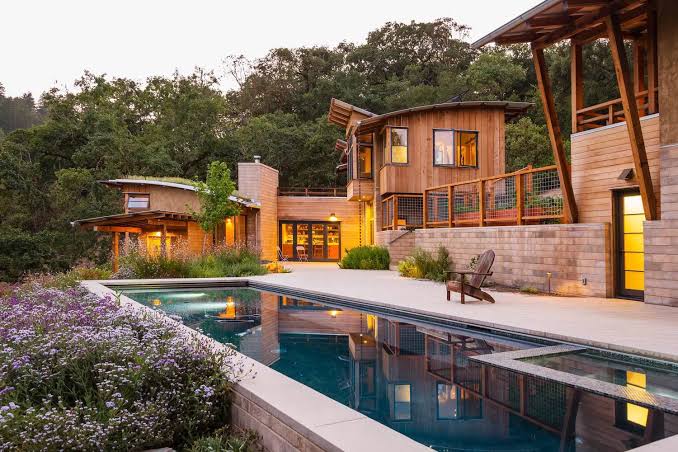
Choosing the right building materials is one of the most important decisions in any home improvement or construction project. The materials used in a house influence not only its appearance but also its durability, maintenance needs, energy efficiency, indoor comfort, and long-term value.
For decades, homeowners and builders have relied on traditional materials such as concrete, brick, wood, steel, and standard insulation because they are widely available, familiar, and proven over time. However, growing awareness about environmental impact, energy costs, and healthier living spaces has increased interest in sustainable building materials.
Modern homeowners are no longer looking only for strong and attractive materials. They are also considering how materials are produced, how much energy they consume, how long they last, and what happens when they are eventually replaced.
Understanding the differences between traditional and sustainable building materials helps homeowners make smarter decisions based on their budget, project goals, and long-term expectations.
What Are Traditional Building Materials?
Traditional building materials are commonly used materials that have supported residential construction for many years. These materials have established manufacturing processes and are usually easy to find through local suppliers.
Some common traditional materials include:
- Concrete
- Brick
- Steel
- Conventional wood
- Vinyl products
- Asphalt roofing
- Standard fiberglass insulation
These materials remain popular because builders understand how to work with them, installation methods are well developed, and many have strong performance records.
For example, concrete is widely used for foundations because of its strength and ability to handle heavy loads. Brick remains popular for exterior walls because it provides durability, fire resistance, and a classic appearance. Wood continues to be a preferred choice for framing, flooring, and interior designs because of its natural look and flexibility.
However, traditional materials can also have disadvantages. Some require large amounts of energy during production, may contribute to higher carbon emissions, and may not always provide the best insulation performance without additional improvements.
What Are Sustainable Building Materials?
Sustainable building materials are designed to reduce environmental impact while maintaining quality, safety, and performance. These materials focus on responsible sourcing, lower energy consumption, reduced waste, and improved efficiency throughout their lifespan.
Examples of sustainable building materials include:
- Reclaimed wood
- Bamboo
- Recycled metal
- Cork flooring
- Recycled concrete
- Natural insulation materials
- Low-emission paints and finishes
- Energy-efficient glass
Sustainable materials are not only about protecting the environment. They can also improve homeowner comfort by supporting better temperature control, reducing indoor pollutants, and lowering future maintenance costs.
For example, natural insulation made from materials like cellulose or wool can help regulate indoor temperatures while reducing dependence on heating and cooling systems.
Durability Comparison Between Traditional and Sustainable Materials
Durability is one of the biggest concerns when selecting construction materials. A material that looks environmentally friendly but requires frequent replacement may not always be the best choice.
Traditional materials often have a long history of proven performance. Brick homes can last for generations when properly maintained. Concrete structures are known for their strength and resistance to weather conditions. Steel is widely used because of its high durability and structural reliability.
Sustainable materials have also improved significantly. Modern sustainable products are designed to meet strict performance standards. Reclaimed wood, for example, can be extremely durable because older wood often comes from mature trees with stronger grain structures. Recycled metal products can provide similar strength compared to newly produced materials.
The best choice depends on the specific application. A sustainable material does not automatically mean lower durability, and a traditional material does not always guarantee better performance.
Energy Efficiency and Home Comfort
Building materials play a major role in how efficiently a home uses energy.
Traditional construction often requires additional insulation systems to improve energy performance. A home built with standard materials may still achieve excellent efficiency when combined with modern insulation, efficient windows, and proper design.
Sustainable materials often focus more directly on energy conservation. Materials with better thermal performance can help maintain indoor temperatures, reducing the workload on heating and cooling systems.
For example, insulated concrete forms, recycled insulation products, and advanced sustainable wall systems can improve a home’s ability to resist heat transfer.
Energy-efficient materials may have higher upfront costs, but they can reduce monthly utility expenses over time.
Cost Differences Between Traditional and Sustainable Materials
Budget is a major factor in every home improvement project. Traditional materials are often cheaper initially because they are produced at a large scale and available almost everywhere.
For example, standard concrete, brick, and conventional insulation may have lower purchase and installation costs compared to specialized sustainable alternatives.
Sustainable materials can sometimes require a larger initial investment. However, the total cost should include long-term benefits such as:
- Lower energy bills
- Reduced maintenance requirements
- Longer product lifespan
- Improved indoor comfort
- Potential increase in property value
A homeowner planning a long-term residence may find that investing in sustainable materials provides better financial value over time.
Environmental Impact of Construction Materials
The construction industry uses a significant amount of natural resources, which makes material selection important for reducing environmental impact.
Traditional materials can create environmental challenges during manufacturing. Cement production, for example, requires significant energy and contributes to carbon emissions.
Sustainable materials aim to reduce these effects through methods such as recycling, renewable sourcing, and responsible production.
Using reclaimed materials can reduce demand for new resources. Choosing locally sourced products can also reduce transportation emissions while supporting regional suppliers.
However, sustainability involves more than choosing a specific product. The entire lifecycle of a material matters, including production, transportation, installation, maintenance, and disposal.
Choosing the Right Materials for Different Home Projects
There is no single material that works perfectly for every situation. Homeowners should consider the purpose of the project before making a decision.
For structural improvements such as foundations and major framing, strength and safety should be the highest priority. Traditional materials may remain the preferred choice in many cases.
For interior improvements like flooring, insulation, and finishes, sustainable options may provide additional benefits related to comfort and indoor air quality.
For outdoor projects, factors like weather resistance, maintenance needs, and local climate should guide material selection.
A balanced approach is often the most practical solution. Many modern homes combine traditional and sustainable materials to achieve durability, efficiency, and environmental responsibility.
Future of Building Materials in Modern Homes
The future of home construction is moving toward smarter, more efficient, and environmentally responsible solutions. Advances in technology are creating materials that combine the reliability of traditional products with the benefits of sustainable design.
Innovations such as recycled composites, smart insulation systems, energy-generating materials, and low-carbon manufacturing methods are changing how homes are built.
Homeowners are also becoming more informed about the impact of their choices. Instead of focusing only on short-term costs, many are considering how materials affect comfort, expenses, and environmental responsibility over decades.
Final Thoughts
Comparing traditional and sustainable building materials is not about choosing one option over the other. Both categories have advantages, and the best decision depends on the project requirements, budget, location, and long-term goals.
Traditional materials continue to provide reliability and proven performance, while sustainable materials offer opportunities for better energy efficiency, reduced environmental impact, and healthier living spaces.
The smartest approach for modern home projects is to evaluate materials based on their complete value — including durability, maintenance, efficiency, and future benefits. A well-planned material choice can create a home that is comfortable, resilient, and prepared for the future.
About the Author