Homes in areas affected by wildfires, extreme heat, or dry weather conditions face unique challenges that require careful planning. While many homeowners focus on roofing systems, landscaping, and emergency preparedness, exterior walls also play an important role in protecting a property. One of the most effective ways to improve a home’s defense against fire exposure is choosing fire-resistant siding.
Fire-resistant siding is designed to reduce the speed at which flames, heat, and flying embers can damage a building. Although no siding material can make a home completely fireproof, the right choice can significantly improve resistance during dangerous conditions and may help limit damage.
For homeowners living in wildfire-prone regions or areas with strict building safety requirements, investing in fire-resistant siding is not just about improving appearance. It is a long-term decision that can increase safety, durability, energy efficiency, and property value.
Why Exterior Siding Matters During Fire Events
Many people assume that fires spread mainly through direct flame contact, but this is only part of the problem. During wildfires, burning embers can travel long distances through the air and land on roofs, decks, windows, and exterior walls.
Traditional siding materials may ignite, melt, crack, or deteriorate when exposed to extreme heat. Once the exterior layer becomes damaged, flames can reach underlying structures and increase the risk of serious property damage.
Fire-resistant siding creates an additional protective barrier between outside threats and the internal structure of a home. Materials with better fire performance can slow down ignition and give homeowners and emergency responders valuable extra time.
What Is Fire-Resistant Siding?
Fire-resistant siding refers to exterior cladding materials designed to withstand higher temperatures and resist burning compared with standard siding options.
These materials are usually made from components that do not easily catch fire, such as fiber cement, metal, brick, stone, and certain treated composite materials. They are tested based on their ability to resist flames, heat exposure, and fire spread.
The level of protection depends on several factors, including:
- The siding material itself
- Installation quality
- Gaps and ventilation areas
- Nearby landscaping
- Overall home design
Even the best siding system works more effectively when combined with other fire-conscious improvements, such as ember-resistant vents and proper roof materials.
Popular Types of Fire-Resistant Siding Materials
Different siding options offer different levels of durability, maintenance requirements, and visual appeal. Understanding the differences can help homeowners choose the right solution.
Fiber Cement Siding
Fiber cement siding is one of the most popular choices for fire-resistant home exteriors. Made from a combination of cement, sand, and cellulose fibers, it provides strong resistance against flames and extreme weather.
Unlike wood siding, fiber cement does not easily ignite. It can also withstand moisture, insects, and temperature changes, making it suitable for many climates.
Another advantage is its ability to mimic the appearance of traditional wood siding while requiring less maintenance.
Metal Siding
Metal siding, including steel and aluminum options, is naturally resistant to fire because it does not burn like organic materials.
It is often used in modern homes, industrial buildings, and properties where durability is a priority. Metal siding can handle harsh weather conditions and usually has a long lifespan when properly maintained.
However, homeowners should consider insulation and installation details because metal can transfer heat if not installed correctly.
Brick and Stone Veneer
Brick and stone are among the most fire-resistant exterior materials available. They provide excellent protection against flames and heat while offering a timeless appearance.
These materials are durable and require minimal maintenance, but they can have higher installation costs due to labor and structural requirements.
Fire-Resistant Composite Siding
Some modern composite siding products are engineered with improved fire performance. These options can provide the look of natural materials while offering better resistance than traditional wood products.
Homeowners should always check manufacturer ratings and certifications before choosing composite siding for high-risk areas.
Benefits Beyond Fire Protection
While safety is the main reason homeowners consider fire-resistant siding, these materials offer several additional advantages.
Improved Home Durability
High-quality siding protects against more than fire. Many fire-resistant options also perform well against wind, rain, pests, and temperature fluctuations.
This means homeowners may spend less money on repairs and replacements over the life of the property.
Better Long-Term Value
Although fire-resistant siding may have a higher upfront cost compared with basic siding materials, it can provide better long-term value.
Reduced maintenance, longer lifespan, and potential protection from expensive damage can make the investment worthwhile.
Increased Property Appeal
Safety features are becoming increasingly important to buyers, especially in regions affected by wildfires or extreme weather.
A home with durable, low-maintenance, fire-resistant exterior materials may attract more interest from future buyers.
Potential Insurance Benefits
In some high-risk locations, homeowners may find that safety improvements can influence insurance considerations. Requirements and discounts vary by provider and location, so homeowners should discuss available options with their insurance company.
Factors to Consider Before Installing Fire-Resistant Siding
Choosing the right siding involves more than selecting a material with a good fire rating. Several factors affect performance.
Local Climate and Fire Risk
A homeowner in a wildfire-prone area may have different needs compared with someone living in a region with heavy rainfall or hurricanes.
Understanding local risks helps determine which materials and protection levels are most appropriate.
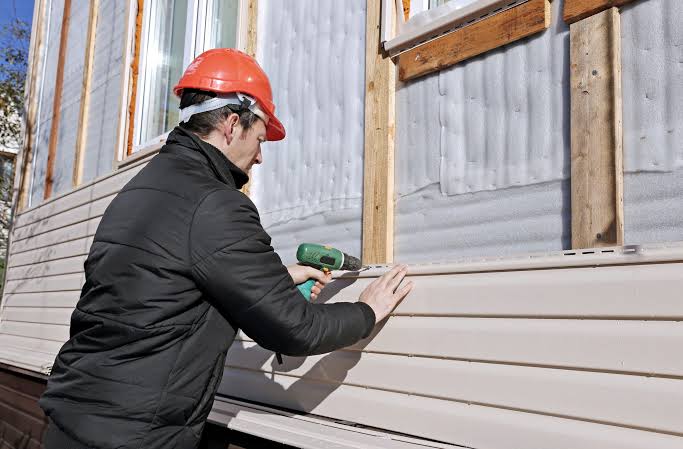
Professional Installation
Even highly durable siding can fail if installed incorrectly. Small gaps, poor sealing, or improper attachment methods can reduce the overall protection of the system.
Working with experienced contractors familiar with local building requirements can improve results.
Maintenance Requirements
Fire-resistant does not mean maintenance-free. Some materials still require inspections, cleaning, painting, or repairs to maintain performance.
Regular checks can help identify damage before it becomes a larger issue.
Common Mistakes Homeowners Make
One common mistake is focusing only on the siding material while ignoring other vulnerable areas of the home.
Windows, roofs, gutters, decks, and landscaping can also influence fire risk. A complete approach to home protection is usually more effective than upgrading only one part.
Another mistake is choosing products based only on price. Cheaper materials may save money initially but could require more repairs or provide less protection over time.
Is Fire-Resistant Siding Worth the Investment?
For homeowners in high-risk areas, fire-resistant siding can be a valuable upgrade that improves safety and long-term property performance.
While it cannot eliminate every fire-related danger, it can reduce vulnerability by creating a stronger exterior defense. Combined with smart landscaping, proper maintenance, and other safety improvements, fire-resistant siding becomes an important part of a more resilient home.
As climate conditions continue to change and wildfire risks increase in many regions, durable building materials are becoming less of a luxury and more of a practical necessity. Choosing the right siding today can help protect both the appearance and the future value of a home.
About the Author